PAVEL WOHL
Professional Triathlete, Coach & Founder of the
WOHLMACHINE

WOHLMACHINE is not just a training method. It is a philosophy and a mindset that not only transforms performance, but also the person within.
Train the System. Not the Ego.
BASIC Clear Structure
3900/month
- Individual plan: Tailored to your goal and current performance.
- TrainingPeaks: Full integration with your device.
- Consistency: Plan updates and evaluation once every 14 days.
- Start-up call: Initial consultation to set zones and goals.
PRO The Power of Data and Biomechanics
5900/month
- Dynamic planning: The plan responds to your fatigue, sleep, and workload.
- Weekly service: Plan updates once a week based on real data.
- Biomechanics: In-depth movement analysis twice a year (run/bike) for efficiency and injury prevention.
- Corrective system: Compensation exercises integrated directly into the plan.
ELITE Maximum Service and Exclusivity
8900/month
- Medical Grade Management: Close cooperation with the team doctor – health monitoring and supplementation.
- Unlimited flexibility: Real-time plan adjustments based on changes in your schedule.
- VIP support: Priority line with a response within 12 hours.
- Quarterly diagnostics: Biomechanical analysis every 3 months.
Schedule an online meeting
Book a consultationA short consultation after the video — we’ll discuss your goals, current training routine, and the next steps. Click below to choose a time slot in the calendar. Once your booking is confirmed, you’ll receive the meeting link by email.
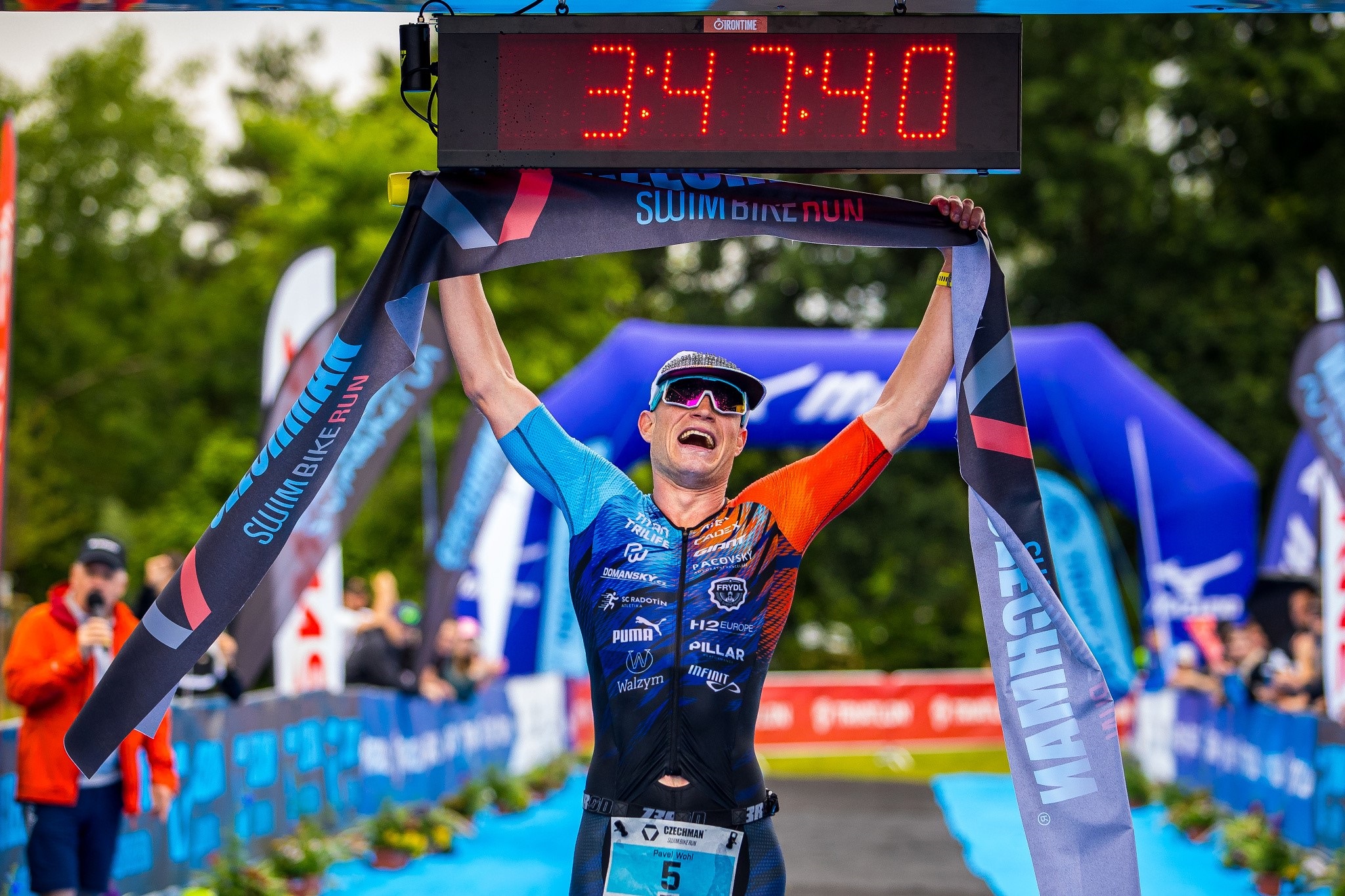








Why is the "brick session" a key pillar of pre-race preparation?
The so-called "Brick session" (or brick - probably because that's how hard your legs feel after a bike) is an absolute staple of triathlon training. It's not just about getting used to the discomfort. It's about literally reprogramming your body. Let's take a look at what's going on in you during the first few minutes of your run and how to smartly incorporate these workouts so you're literally flying out of the depot on race day.
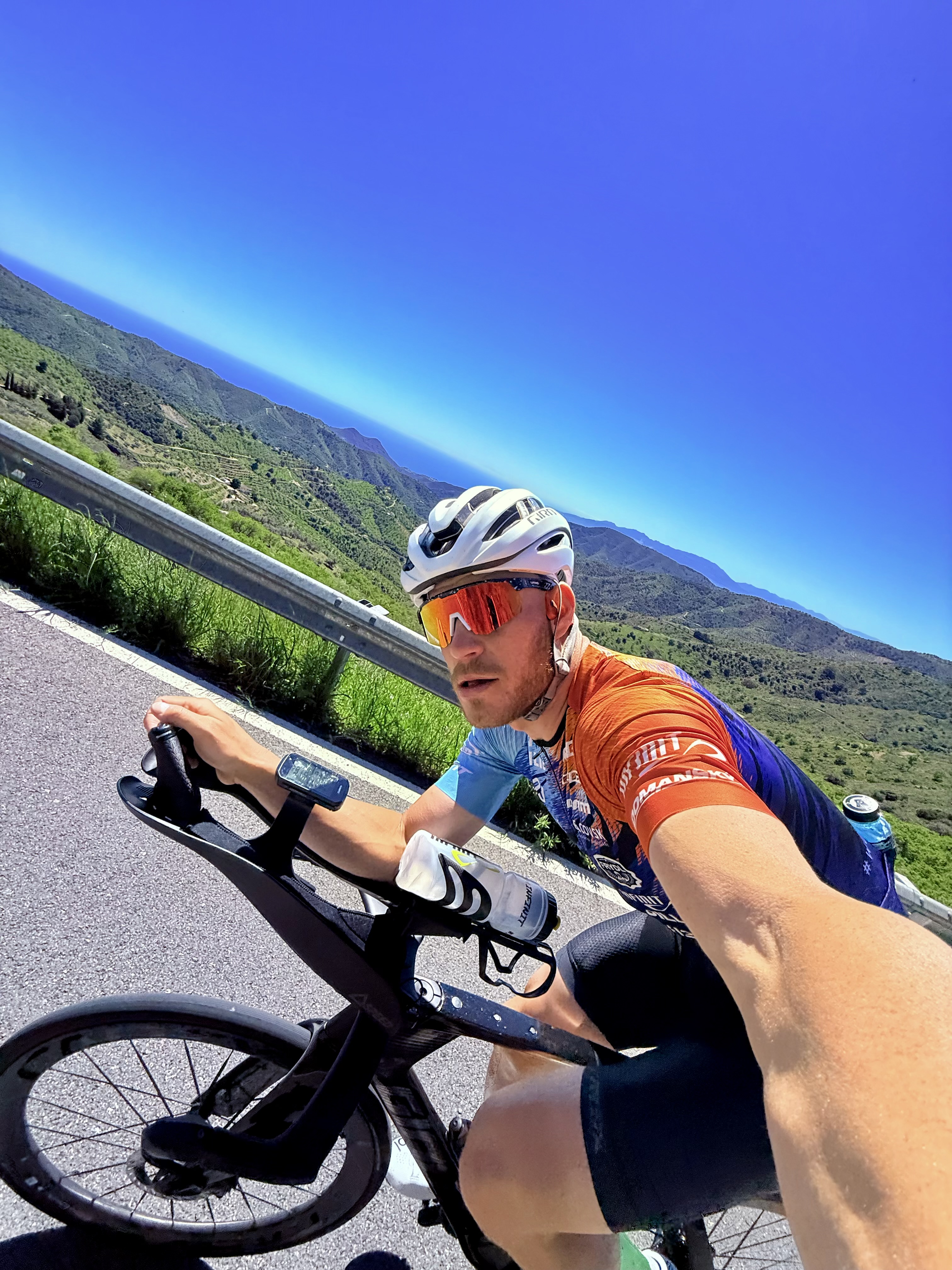
Short vs. long VO2Max intervals: which to choose for your performance?
VO2Max intervals are a well-known chapter among endurance athletes. Only, there are no intervals like intervals. While the "traditional" concept consists of longer stretches of continuous exercise, recent findings suggest that there is equal, if not greater benefit to so-called micro intervals...

The second engine: How to train the gut to 120 g of carbohydrates per hour
Most endurance athletes spend hundreds of hours fine-tuning their watts, lactate thresholds, and aerodynamics. But what if we told you that in races lasting over three hours, it’s not the strength of your legs that decides the outcome, but the efficiency of your fuel pump? In modern endurance sports, we are no longer talking about just 'surviving' on one gel per hour. Today’s elite standard is 120 grams of carbohydrates per hour. Let’s look at how to train your digestive system to become your greatest competitive advantage, rather than the reason you fail to finish the race.
The biomechanics of silence: Why does your brain inhibit your performance before your lungs?
In endurance training we often focus on quantity - kilometres, hours, volume. However, modern sports medicine shows us that the key to sustainable performance lies in biomechanical efficiency and neural control of movement. In this text, we break down how the kinetic chain works and why understanding your own neurology is more important than any training chart.
Partneři